
Understanding the psychological triggers that drive gambling behavior in casinos
The allure of risk and reward
The thrill of gambling often stems from the anticipation of risk and reward. This excitement activates the brain’s reward system, releasing dopamine, a neurotransmitter associated with pleasure and motivation. As players engage with various games, the possibility of winning big creates an emotional high that keeps them returning for more. This biochemical response can easily lead to a cycle of repeated gambling behavior. In the world of potential gains, many might even explore options like nz online pokies.
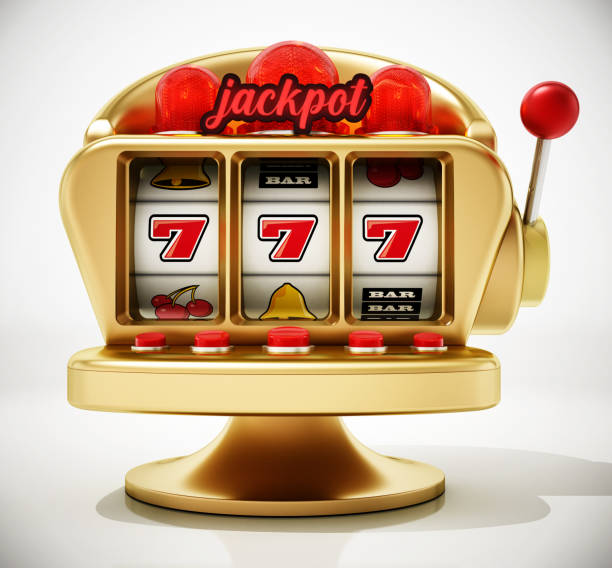
Moreover, the uncertainty surrounding outcomes heightens the excitement. Unlike games of pure chance, players often believe they can influence the results, which can intensify their desire to gamble. The combination of risk and perceived control not only fuels engagement but also reinforces the behavior, making it challenging for some individuals to walk away.
The role of environment in gambling behavior
Casinos are meticulously designed to create an immersive experience that enhances gambling behavior. Elements such as lighting, sound, and layout are carefully curated to keep players engaged. Bright lights and enticing sounds draw attention to machines and tables, while a lack of windows or clocks can distort the perception of time, encouraging longer play sessions.
Furthermore, the social atmosphere in casinos plays a crucial role in influencing behavior. The presence of others, whether cheering on a slot machine or participating in a game, can create a sense of belonging and camaraderie. This social dimension reinforces the desire to gamble, as individuals may feel motivated to join in or compete with peers, further entrenching their gambling habits.
The impact of cognitive biases
Cognitive biases significantly influence gambling behavior, often leading players to make irrational decisions. One common bias is the illusion of control, where individuals believe they can affect the outcome of random events. This misconception can encourage continued play, as players cling to the notion that skill will ultimately lead to success.
Another prevalent bias is the gambler’s fallacy, which is the belief that past events influence future outcomes. For example, if a player experiences a series of losses, they might feel that a win is “due,” compelling them to gamble more. These cognitive distortions can cloud judgment and create a cycle of gambling that is difficult to break.
The emotional and psychological factors
Emotional states play a pivotal role in gambling behavior. Many individuals turn to gambling as a means of escape from stress, anxiety, or depression. The temporary thrill of winning can provide a sense of relief from negative emotions, reinforcing the behavior as a coping mechanism. However, this can lead to a detrimental cycle where gambling is seen as a solution to problems rather than a source of enjoyment.
Additionally, feelings of loneliness or boredom can drive individuals to seek out gambling as a form of entertainment. The excitement of the casino environment can temporarily fill a void, but it often leads to further emotional challenges, including addiction. Recognizing these emotional triggers is crucial for understanding gambling behavior and promoting gambling addiction awareness.

Promoting responsible gaming in online casinos
As online casinos gain popularity, promoting responsible gaming becomes increasingly important. Platforms are now incorporating various measures to ensure player safety, including setting deposit limits, offering self-exclusion options, and providing resources for gambling addiction awareness. These tools empower players to make informed choices and recognize when their gambling may be becoming problematic.
Moreover, creating a supportive community around responsible gaming fosters awareness and education. By sharing information about the psychological triggers of gambling and the importance of moderation, players can engage more thoughtfully with their gaming habits. This emphasis on responsible gaming not only enhances the player’s experience but also contributes to a healthier gambling environment overall.