
In addition to having a distinct dietary pattern, “traditional” Mediterraneans also tend to practice specific cultural and lifestyle habits. He attributed their robust health to their diet—largely composed of whole grains, legumes, fruit, and vegetables, moderate amounts of fish, and low amounts of dairy and meat. Some foods though are encouraged sparingly on the diet, desserts, butter, heavily processed foods like frozen meals and candy and refined grains and oils. If you’re already a big fan of nature’s bounty, you’re going to love the Mediterranean diet! When you’re following this style of eating, you should have at least one fruit or veggie on your plate at every meal.
- Researchers first took note of the region’s eating habits in the 1960s, observing notably low rates of heart disease and high life expectancy, especially in rural Crete and southern Italy.
- People in Italy usually refer to Spaghetti and Meatballs as something only eaten in America!
- But experts now also consider the Mediterranean diet to be the best-known and most well-studied diet in the world.
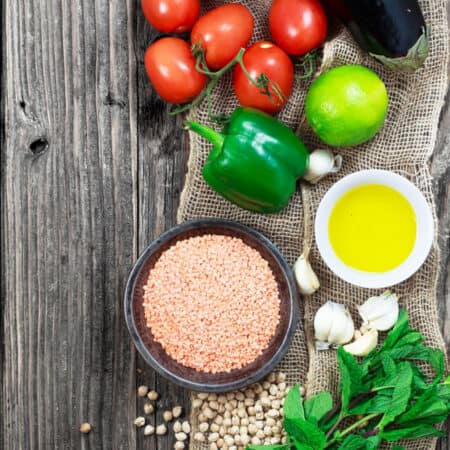
- It includes plenty of whole grains, fruits, vegetables, beans and lentils as well as seafood and healthy fats like olive oil and nuts.
- As nutritional needs differ from person to person, we encourage you to use these plans as inspiration and adjust as you see fit.
- UNC faculty developed a spin on the Mediterranean diet known as the Med-South diet — a program that follows the patterns of the Mediterranean diet and incorporates a Southern twist.
Possible Health Concerns
Examples include squash, artichokes, arugula, beets, cucumber, kale, or potatoes. The Mediterranean food pyramid offers a great way to understand how to think about your food instead of giving you rigid instructions. Keep in mind that the Mediterranean diet represents a culture just as much as it does a cuisine, so it’s not about what’s allowed or avoided. “It allows the patient or the client to see that within health care you can have more than one encounter with somebody who actually cares whether you made the planned behavior changes and helps you to reach your goals. Have community health workers deliver the program to improve accountability and lower cost.
How much olive oil should I eat daily?
The Mediterranean diet has been linked to health benefits including longevity, improved heart health and reduced risk of chronic conditions. The dietary pattern doesn’t always match local flavors and food preferences, but researchers at the University of North Carolina are working to change that. For instance, there’s an emphasis on healthy fats — olive oil in particular, but also nuts and avocados, all of which are heart-healthy.
If fresh food is either inaccessible or unaffordable, following a “true” Mediterranean diet may not be practical (or possible). Same goes for someone who feels like they don’t have time or energy to prepare nutritious meals. Consistently eating a range of nutritious whole foods—and adopting certain lifestyle practices. News and World Report, “People who unimeal reviews complaints eat a Mediterranean-style diet have longer lifespans, report a higher quality of life and are less likely to suffer from chronic diseases such as cancer and heart disease.” Start by incorporating a fruit or vegetable into every meal and exchanging processed snacks for healthier ones. It’s OK to stay within your comfort zone at first, but as you get comfortable, begin experimenting with new ingredients and recipes to expand your options.
A Reduced Risk for Certain Cancers

What researchers found was that seniors who had followed one of two diet plans — the Mediterranean diet and the MIND diet — showed less brain “plaques” than those who did not. Plus, the Mediterranean diet has proven to be quite effective for people who want to manage — or lose — weight. In one study, researchers analyzed the diets of more than 32,000 Italians over the course of 12 years. Their results suggested the Mediterranean diet could help limit weight gain and increases in waist circumference.
Full-fat dairy
The Med-South diet can serve as a model for combining healthier eating habits with local foods and flavor profiles, no matter where you live. Several thousand people at high risk of heart disease took part in a study in Spain. The countries around the Mediterranean have a great variety of these types of food, each with their own unique typical diet. That’s why the Mediterranean diet is an eating lifestyle, rather than a prescriptive diet. One of the key benefits of the Mediterranean diet is that it is anti-inflammatory and can help maintain healthy cholesterol and blood pressure levels, as well as support good gut bacteria. A recent study even found that adherence to a Mediterranean diet may vastly improve both mental and cognitive health.
Scientists think this could be due to the antioxidant and anti-inflammatory properties of many of the foods it contains, such as fruits and vegetables. Studies show that eating this way is good for your health and can be particularly beneficial for reducing your risk of heart disease. With these simple recipes, tried and tested in the Good Housekeeping Test Kitchen, there’s no calorie-counting or restrictive portion sizes.
A Detailed Mediterranean Diet Food List
The recipes below are some fan favorites from the Med-South cookbook, DELISH Med-South Recipes (PDF, 4.2MB), from the UNC Center for Health Promotion and Disease Prevention. Another factor that plays a part in your individual responses to foods is your gut microbiome. That’s the name for the trillions of bacteria and other microbes that live in your gut. P.S. If you’re not in the mood to cook, reheat leftover frittata to serve with a side salad instead. Consider that your excuse to whip up a fun variation on the chickpea dip. Serve that extra fillet of salmon from yesterday’s dinner over baby arugula, along with cherry tomatoes and a drizzle of homemade Italian vinaigrette.
Health benefits of the Mediterranean diet
A study published in February in the journal JAMA Neurology found the popular diet may be one aspect in protecting the brain from signs of Alzheimer’s disease, the most common type of dementia. Just be sure to keep the heat low, use a little EVOO and then pop the lid onto your pan for a few minutes to achieve the crispiness you crave. You can even use whole-grain bread crumbs, ground flaxseeds or almond flour to incorporate a bit more fried flavor without all the fat and calories of traditional frying methods. Chicken nuggets and mozzarella sticks aren’t big in the Mediterranean! Stick to baking, broiling, roasting and grilling your foods, and avoid the urge to fry — though the exceptions are air-frying and pan-frying, which can be both delicious and healthy.
High intake (several times a day)
Mediterranean cooking and eating tends to be slow, social, and joyous. For example, they buy their foods locally, making multiple trips a week—often by foot—to local farm-sourced vendors. These Mediterranean villagers also flavored their meals with an abundance of herbs, garlic, and onions. It conjures images of stucco villas perched over sparkling seas, where fresh sardines leap onto your plate, already golden, crispy, and dripping with olive oil. There are no specific serving size recommendations or calculations with the diet, meaning the amount of food a person eats on the diet depends on their own needs.
“The Mediterranean diet is healthy, it’s sustainable, it’s a flavorful way to eat and it’s adaptable.” The diet is endorsed by the American Heart Association for its cardiovascular benefits. The diet was shown to reduce the risks of adverse pregnancy outcomes like preeclampsia, gestational diabetes, preterm birth and stillbirth when followed in pregnancy, according to one study.
Carve Out Time in Your Schedule to Cook
These populations enjoy lower rates of chronic disease and better overall quality of life well into their 80s and 90s. Choosing the right diet isn’t just about losing a few pounds—it’s about fueling your body, protecting your heart, and aging gracefully. Among the many popular eating styles, the Mediterranean diet stands out for its delicious simplicity and long list of scientifically proven benefits.
These types of foods are often linked to various health issues like heart disease and type 2 diabetes. /unimeal-weight-loss-app-review-12-reasons-to-trust/ They tend to be high in unhealthy fats, sugars and sodium, which contributes to poor health. Veggies and other plant foods are on the menu again at lunch and dinner. But you can still make the Mediterranean diet as easy as you’d like. Use shortcut ingredients, like pre-washed veggies, canned beans, and quick-cooking frozen whole grains.
Trend reportThe best weight-loss advice to borrow from popular diets
The organization also has a Health Studies page, featuring research on the Mediterranean diet’s health benefits. The Mediterranean diet doesn’t allow for much dairy, but Greek yogurt is a plentiful source of calcium, potassium phosphorus, and other minerals, as well as vitamins A, B2, and B12. It may help to reduce the risk of osteoporosis and improve gut health through its healthy gut bacteria. Rich in heart-healthy polyunsaturated fats, these nuts may also favorably impact your gut microbiome (and improve digestive health), as well as lower LDL cholesterol, according to a small study that included 18 healthy adults.