
Search for tips on adopting the Mediterranean diet, and you’ll come across a slew of books, articles, and blogs published within the past two decades. But the diet’s origins date back to biblical times when scripture cited some of the Mediterranean diet’s basic components — wheat, barley, grapes, figs, pomegranates, olives, and fish. Our science-based quiz considers what, when and how you eat to give healthstartsinthekitchen.com/i-tried-unimeal-for-30-days-heres-what-personalized-meal-planning-really-feels-like/ you a score out of 100.
Popular for centuries, the Mediterranean Diet has been proven to promote heart health, strengthen immunity and lead to overall increased longevity! The good news is, not only is it good for you but healthstartsinthekitchen very easy to maintain. Grounded in primarily whole foods, the Mediterranean Diet includes lots of fruits, vegetables, fish, healthy fats such as nuts and olive oil a little bit of meat, and even red wine in moderation. Our 6-week Mediterranean meal plan includes delicious recipes featuring fish, nuts, legumes and unlimited vegetables and fruits. It promotes heart health, and provides an opportunity to eat more plant foods without totally giving up meat. What all versions have in common, however, is an emphasis on a variety of fruits, vegetables, whole grains, beans, nuts, legumes, fish (especially those rich in omega-3 fatty acids such as salmon, sardines and mackerel) and healthy fats like olive oil.

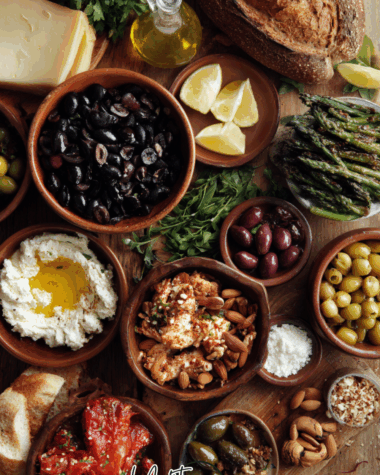
Fruits, vegetables, whole grains, legumes, beans, nuts, seeds, healthy oils, herbs, and spices
The pyramid is organized by how often you should include a food category in your diet, with the foods you should include most often at the base and the foods you should include less often at the top. Here are some WeightWatchers recipes that fit right into the Mediterranean diet’s guidelines. Understanding portion sizes is key to maintaining balance with a Mediterranean diet.
Our turnkey programs improve outcomes and cost for chronic conditions such as diabetes, heart disease, kidney disease, irritable bowel syndrome (IBS), and related GI issues where dietary management is a recommended treatment. With the help of a Registered Dietitian, we can guide you through creating a Mediterranean diet meal plan that meets your unique needs. Drawing from our experience, this diet encourages sustainable and enjoyable eating habits that improve long-term health.
Does the Mediterranean meal plan include a grocery list?
Start with whole, minimally processed foods like vegetables, fruits, whole grains, and legumes. Add healthy fats such as olive oil and nuts, and include fish or seafood twice a week. The inclusion of healthy fats also contributes to feelings of satiety.
But the same upside that makes some people consider the Mediterranean diet feasible can also be a drawback for those who need a more measured and specific approach to monitoring their food intake on a daily and weekly basis. The Mayo Clinic Diet helps you achieve lasting weight loss with custom meal plans and proven strategies. Yes, all of our meal plans are meant to be sustained in any lifestyle at any budget. Our Simple meal plan is the most cost-effective, so it is a great place to start if you’re on a tight budget.
Featured recipes
The Mediterranean diet is always turning up in the top spot on “best diets” lists — and it’s easy to see why. There are no totally forbidden foods on the Mediterranean diet. But you generally want to stick to eating foods with recognizable non-scientific names. A general rule-of-thumb is that most of the things you eat should not come in boxes.
Be physically active and enjoy meals with others
- Soak the bulgur with olive oil in a pot of boiling water that’s covered for 15 minutes.
- Explore easy fall dinner recipes with autumn ingredients, chef-made meals, and time-saving tips.
- Keep in mind that the Mediterranean diet represents a culture just as much as it does a cuisine, so it’s not about what’s allowed or avoided.
- Our 6-week Mediterranean meal plan includes delicious recipes featuring fish, nuts, legumes and unlimited vegetables and fruits.
- In 1993, Oldways created the Mediterranean Diet Pyramid–in partnership with the Harvard School of Public Health and the World Health Organization (WHO)–as a healthier alternative to the USDA’s original food pyramid.
- What all versions have in common, however, is an emphasis on a variety of fruits, vegetables, whole grains, beans, nuts, legumes, fish (especially those rich in omega-3 fatty acids such as salmon, sardines and mackerel) and healthy fats like olive oil.
Omega-3 fatty acid — an unsaturated fat found primarily in fish, walnuts, and soybeans — has been shown to improve cells’ ability to process blood sugar and lower harmful LDL cholesterol and triglyceride levels, Dr. Li points out. Some evidence also suggests that the unsaturated fats found in Mediterranean diets promote metabolism. But you don’t have to have a health issue to adopt the Mediterranean diet. “It’s a healthy diet for just about everyone,” Karen Ansel, a New York-based registered dietitian and author of “Healing Superfoods for Anti-Aging, told TODAY. Experts agree that it can be among the best ways to lose weight. And it can work if you want to improve your overall health, even if you’re comfortable with your weight.
Do I have to count calories?
For busy schedules, we recommend prepping meals ahead of time and rotating your favorites weekly. Creating a Mediterranean diet meal plan is simpler than you might think. A Mediterranean-style diet can improve heart and brain health, lowering the risk of diabetes and certain cancers.
Avoid these foods on the Mediterranean diet:
The study analyzed the postmortem autopsy results of 581 people. What researchers found was that seniors who had followed one of two diet plans — the Mediterranean diet and the MIND diet — showed less brain “plaques” than those who did not. In addition to the general nutritional benefits that come with eating Mediterranean diet foods, the diet can be especially helpful for specific segments of the population. Dietitians also love the Mediterranean diet because it’s full of affordable, accessible foods that are tasty and versatile — including many that you probably already love to eat. In other words, eating the Mediterranean diet boosts your health and it feels like a pleasure, rather than a chore. Eating large portion sizes — even of “good-for-you” items — can interfere with your weight, Li says.
Is the Mediterranean meal plan suitable for vegetarians or vegans?
Overloading the body with calories also stresses the immune system and has been found to accelerate cellular aging—the opposite of what a Mediterranean diet based on moderate portion sizes aims to achieve. Studies show that adherents are less likely to overeat than people who eat Western-type diets. Researchers believe that the Mediterranean diet’s high volume of low-calorie, high-fiber, water-rich foods help people feel fuller for longer than the low-fiber, high-calorie, and high-sugar foods that comprise a typical Western diet. Our findings show that this approach can significantly impact your overall quality of life, making the Mediterranean diet an excellent meal plan for diabetes and other chronic conditions, as well.
Scientists have studied the health benefits of the Mediterranean Diet for more than half a century.
Foods to eat on the Mediterranean diet
Up to a glass of wine at dinner is given a green light on the Mediterranean plan. For instance, there’s an emphasis on healthy fats — olive oil in particular, but also nuts and avocados, all of which are heart-healthy. But they’re also high in calories, so it’s important to watch portions. Same goes for red wine, which is allowed — in moderation — on the Mediterranean plan despite growing evidence that drinking even a little alcohol carries health risks, especially for older adults.
Lunch: Lemon And Herb Tabbouleh Salad
The Mediterranean food pyramid offers a great way to understand how to think about your food instead of giving you rigid instructions. WeightWatchers relies on only the most trustworthy sources, including highly credentialed experts, government and academic institutions, peer-reviewed studies, and respected medical associations. We focus on primary sources and research that is recent, relevant, and high-quality. For more about how we report, write, and fact check our stories, please see our editorial policy. “Vegetables, fruits, legumes, herbs, and spices” — which the Mediterranean diet is full of — “contain bioactive compounds that can help protect DNA from damage and possibly slow cellular aging,” Dr. Li says.